Over a century ago, electricity was far from the everyday convenience it is now. In the 1920s, about 30 percent of American homes had access to power, making it a luxury rather than the expected utility it has become.
Investor-owned utilities rarely brought service to rural homes because these properties were often too far from each other for it to make financial sense. As a result, by the 1930s, most rural homes still lived without electricity.
This all changed in 1935 when the federal government established the Rural Electrification Administration (REA), which helped communities come together and form electric cooperatives just like JCREMC, which was formed in December of 1935. The cooperative model allowed people to have a stake in their electric service and changed life for many rural communities across the United States. Today, electric cooperatives provide electricity to over 22 million homes, businesses, and farms across 48 states.
As mundane as it feels to flip a light switch or plug in a device, it’s important to stop and think about the history that has paved the way for nearly all of the U.S. population to have power, and even more, to think about the journey electricity takes to get from a power plant to your home.
Electricity begins at facilities called power plants that often use energy sources like natural gas, coal, hydro, or nuclear energy. These days, solar and wind also contribute to the electric supply. Electricity then starts a complex journey through the grid. The electric grid is a combination of infrastructure that works to ensure power is available when people need it, including things like transmission lines, substations, distribution lines, transformers, and distributed energy resources (DER).
High-voltage transmission lines transport thousands of volts of electricity over long distances. These lines often hang from very tall towers, keeping people safe from high voltage while allowing for the efficient flow of power.
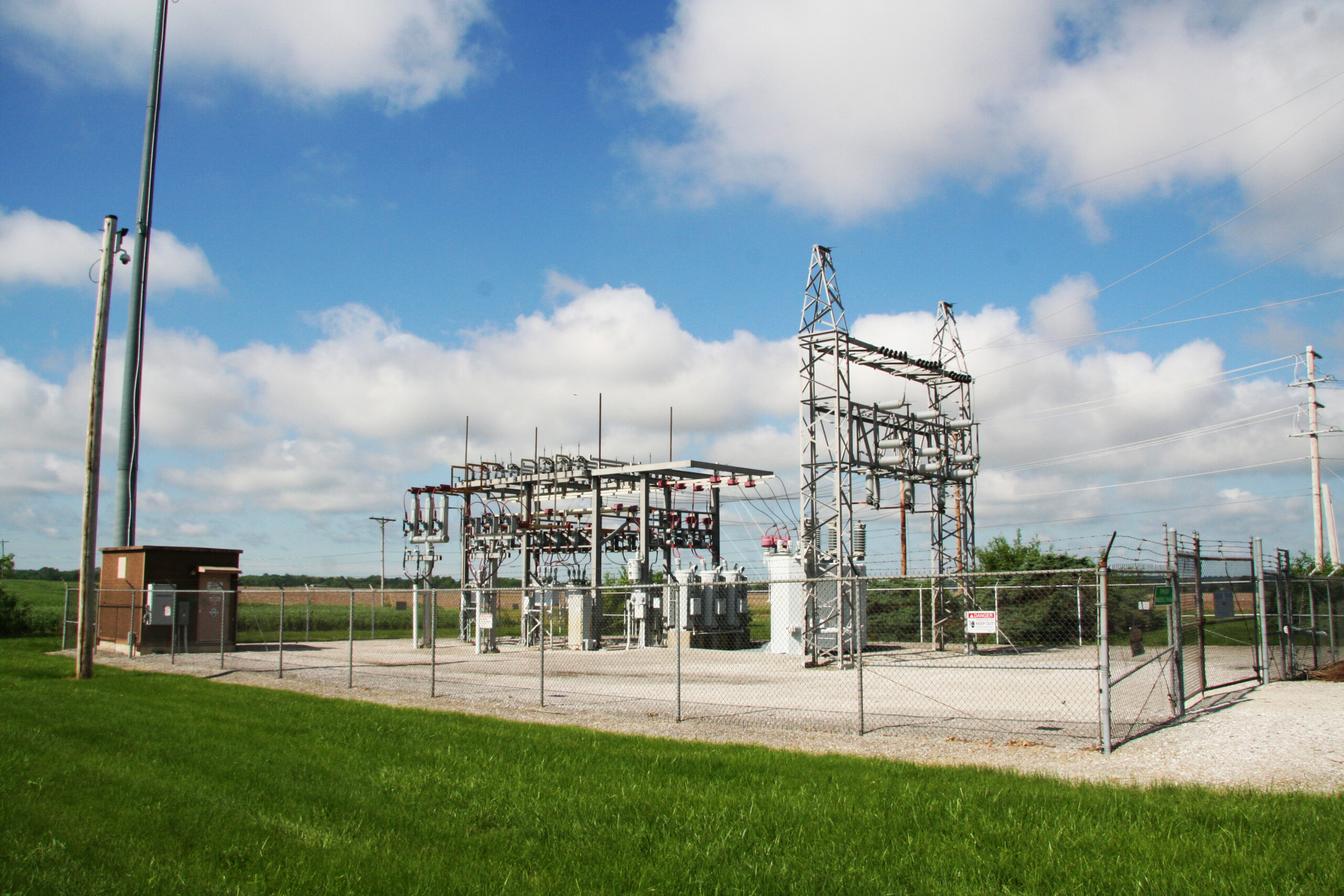
Substations act as steps along the way, often reducing voltage so power can safely make its way to our members.
Distribution lines carry this lower-voltage electricity to homes and businesses. It’s important that electricity decreases in voltage before being delivered, because homes and businesses utilize electricity at much lower voltages. By the time it reaches your outlets, electricity is usually around 120 or 240 volts, making it useful for your household appliances and devices.
JCREMC takes pride in offering safe, local, reliable electricity to our members. From generation, to transmission, to the outlets in your home, we’re grateful to have your trust as your family’s electric provider, from 1935 to today.
This story is from the summer 2026 edition of JCREMC’s biannual newsletter, Empower.